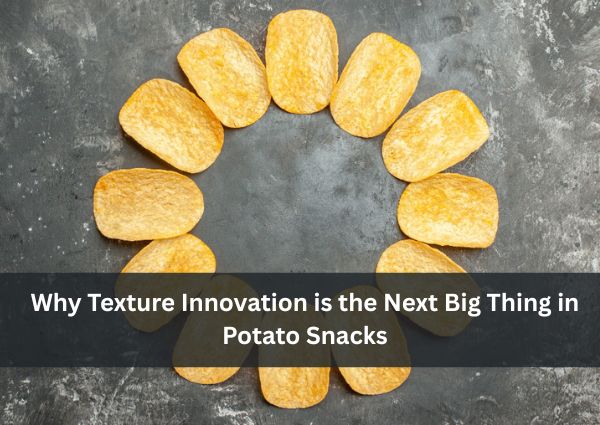
The potato snack industry in India is evolving quickly. Traditional chips remain popular, but consumers increasingly want new eating experiences. As competition grows, flavor alone is no longer enough to differentiate products. Texture innovation is becoming an important opportunity for potato snack brands.
From extra-crispy thin chips and thick-cut varieties to ridged, wavy, layered, and uniquely shaped products, manufacturers are experimenting with texture. At Anantjeet Nutriments, we understand that successful snack innovation involves more than new flavors. Raw material quality, processing technology, product structure, and consistent quality all contribute to the final eating experience.
Why Texture Matters
The sound of the first crunch, the way a chip breaks, and its mouthfeel can affect satisfaction. A good potato snack should deliver consistent crispness, satisfying bite, balanced thickness, and pleasant mouthfeel.
Moving Beyond Traditional Chips
Classic smooth potato chips remain popular, but consumers now have access to more formats. This encourages manufacturers to explore different structures and textures.
Ridged chips, wavy chips, thick-cut chips, extra-thin varieties, kettle-style products, and specialty-shaped snacks can each provide a different eating experience. Thin chips may offer a light crunch, while thick-cut formats create a stronger bite. Ridged surfaces can also provide additional space for seasoning.
Shape and Texture Work Together
The structure of a potato snack directly influences its texture. Manufacturers can experiment with thickness, curves, ridges, grooves, and layered structures to create distinctive products.
Shape can also affect seasoning performance. Textured surfaces may allow seasoning to adhere more effectively, creating a stronger combination of flavor and crunch.
Technology Enables Texture Innovation
Creating a unique texture is only the beginning. Producing it consistently at commercial scale requires precise manufacturing. Factors such as potato variety, slicing thickness, moisture, cooking temperature, frying time, and cooling conditions can influence the finished product.
Modern systems help control these parameters, supporting uniform thickness, crispness, moisture, and reduced batch variation.
At Anantjeet Nutriments, process monitoring and quality control support reliable potato snack production.
Raw Potato Quality Matters
Texture innovation starts with the raw potato. Different varieties can behave differently during processing. Size, maturity, moisture, dry matter, and storage conditions may influence slicing, frying performance, color, and crispness.
Careful sourcing and grading help maintain consistent raw material quality and texture.
Texture and Flavor Create Differentiation
Flavor remains an important reason consumers choose snacks, but texture can make the experience more distinctive. A ridged chip can provide a different seasoning experience from a smooth chip, while a thicker format can deliver a longer-lasting crunch.
Brands can combine unique texture, shape, and innovative flavors to create recognizable products.
Health Trends Influence Texture
Health-conscious consumers are also encouraging innovation. Manufacturers are exploring baked, reduced-oil, and alternative processing methods while trying to maintain satisfying crunch.
Manufacturers therefore need to balance nutritional positioning with sensory quality and satisfying crunch.
Texture as a Premium Feature
Texture can support premium positioning. Consumers may pay more for snacks that provide a distinctive eating experience, particularly when innovative textures are combined with quality ingredients and attractive packaging.
Premium concepts can include thick-cut formats, extra-crispy products, specialty cooking methods, and unique shapes. Texture becomes part of the brand story rather than simply a manufacturing feature.
The Future of Potato Snacks
The future will involve greater experimentation with thickness, structure, crispness, and mouthfeel. Manufacturers may develop ultra-thin chips, ridged formats, layered snacks, and premium thick-cut products.
As manufacturing technology improves, brands will have more opportunities to create innovative textures while maintaining consistent quality and efficient production.
Conclusion
Texture innovation is becoming a major opportunity in the potato snack industry. Brands need experiences that go beyond traditional flavors. A distinctive crunch, shape, thickness, or mouthfeel can transform a familiar potato snack into something memorable.
At Anantjeet Nutriments, we combine quality raw materials, manufacturing expertise, process control, and product innovation to support high-quality potato snacks. By focusing on texture alongside flavor and appearance, brands can create products that attract attention, satisfy consumers, and encourage repeat purchases.
The future of potato snacks is not only about how they taste, but also about how they feel and crunch with every bite.