
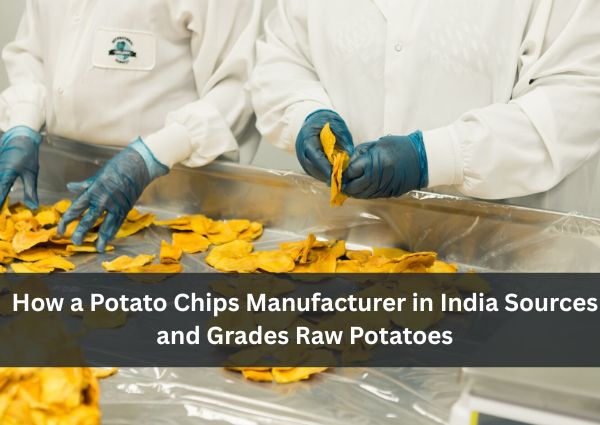
Potato chips are one of the most popular ready-to-eat snacks in India, enjoyed by people of all ages. While consumers often focus on flavors, crunch, and packaging, the journey of a high-quality potato chip begins much earlier—with the careful selection of raw potatoes. The quality of the final product depends heavily on the quality of the potatoes used during manufacturing.
For a professional potato chips manufacturer, sourcing and grading raw potatoes is a critical process that directly affects texture, taste, color, shelf life, and overall product consistency. At Anantjeet Nutriments, we understand that producing premium potato chips starts with selecting the right raw materials and maintaining strict quality standards throughout the procurement process.
Why Raw Potato Quality Matters
Every potato is different. Factors such as variety, size, maturity, moisture content, and storage conditions influence how potatoes perform during processing.
Using poor-quality potatoes can lead to:
- Uneven chip thickness
- Dark or burnt appearance after frying
- Poor crunch
- Higher oil absorption
- Inconsistent flavor
- Reduced shelf life
By sourcing high-quality potatoes, manufacturers can consistently produce chips with the crisp texture and appealing appearance that consumers expect.
Selecting the Right Potato Varieties
Not all potatoes are suitable for chip production. Manufacturers carefully select varieties that are known for their processing characteristics rather than simply choosing potatoes intended for household cooking.
Potatoes used for chips are generally selected for their:
- Uniform shape
- Smooth skin
- Firm texture
- Good dry matter content
- Low reducing sugar levels
These characteristics help create chips that fry evenly, remain crispy, and develop an attractive golden color.
At Anantjeet Nutriments, selecting suitable potato varieties is an important part of maintaining consistent product quality.
Building Strong Relationships with Farmers
Reliable sourcing begins with dependable agricultural partnerships. Many manufacturers work closely with farmers and agricultural suppliers to ensure a stable supply of quality potatoes throughout the year.
Long-term partnerships offer several advantages:
- Better consistency in raw materials
- Improved crop planning
- Reliable seasonal supply
- Enhanced traceability
Working directly with trusted suppliers also helps maintain quality standards from the farm to the production facility.
Seasonal Procurement Planning
Potatoes are agricultural products, making their availability dependent on harvesting seasons. Effective procurement planning allows manufacturers to maintain continuous production even during periods of lower availability.
Planning involves:
- Forecasting annual demand
- Coordinating with suppliers
- Managing storage requirements
- Maintaining consistent inventory
Careful planning reduces supply disruptions and supports uninterrupted manufacturing operations.
Initial Quality Inspection
Before potatoes enter the production process, they undergo thorough inspections to verify their suitability.
Quality checks typically include:
- Visual examination
- Size consistency
- Shape uniformity
- Surface condition
- Physical damage assessment
Potatoes showing excessive bruising, cuts, sprouting, or decay are removed to maintain production quality.
This first stage of inspection prevents unsuitable raw materials from entering the manufacturing process.
Grading Based on Size and Uniformity
Uniform potato size plays an important role in producing consistent chips.
Grading systems classify potatoes according to:
- Diameter
- Length
- Weight
- Shape consistency
Using similarly sized potatoes allows slicing equipment to produce chips with consistent dimensions, improving frying performance and final product appearance.
Uniform grading also helps optimize manufacturing efficiency.
Checking Internal Quality
External appearance alone cannot guarantee quality. Manufacturers also evaluate internal characteristics that influence chip production.
Important quality factors include:
- Flesh color
- Internal defects
- Moisture balance
- Texture
Internal quality checks help ensure that potatoes will perform well during slicing and frying while maintaining product consistency.
Sugar Content and Frying Performance
One of the most important quality parameters in potato chip manufacturing is reducing sugar content.
Potatoes with excessive reducing sugars tend to produce chips that become overly dark during frying. This not only affects appearance but may also influence flavor and consumer acceptance.
Manufacturers therefore monitor sugar levels to help achieve:
- Even frying
- Golden color
- Improved product presentation
Proper storage conditions also help maintain suitable sugar levels before processing.
Storage and Handling Practices
Even high-quality potatoes require proper storage before entering production.
Good storage practices help preserve:
- Freshness
- Texture
- Moisture balance
- Processing quality
Manufacturers carefully manage storage environments to reduce spoilage and maintain raw material performance.
Proper handling during transportation and storage also minimizes bruising and mechanical damage.
At Anantjeet Nutriments, maintaining raw material quality throughout storage is an essential part of our production process.
Modern potato chip manufacturers increasingly use technology to improve raw material assessment and consistency.
Technology Supporting Raw Material Evaluation
Advanced systems can assist with:
- Automated grading
- Optical inspection
- Size sorting
- Quality monitoring
Technology improves efficiency while reducing human error during raw material selection.
As manufacturing becomes more advanced, digital quality monitoring continues to play a larger role in food production.
Sustainability in Potato Sourcing
Sustainability is becoming increasingly important throughout the food industry. Responsible sourcing practices benefit both manufacturers and agricultural communities.
Sustainable sourcing may include:
- Supporting local farmers
- Responsible water use
- Reducing transportation distances
- Minimizing raw material waste
These practices contribute to a stronger and more resilient supply chain while supporting environmentally responsible manufacturing.
The Importance of Consistency
Consumers expect every packet of potato chips to deliver the same crunch, flavor, and appearance. Maintaining this consistency begins long before seasoning and packaging—it starts with raw potato selection.
Consistent sourcing and grading help manufacturers achieve:
- Reliable product quality
- Better processing efficiency
- Reduced production losses
- Higher customer satisfaction
Strong quality control at the raw material stage supports every step that follows in the manufacturing process.
Conclusion
Producing high-quality potato chips requires much more than advanced machinery and flavorful seasonings. The foundation of every successful chip lies in carefully sourced and properly graded raw potatoes. From selecting suitable varieties and building strong farmer partnerships to grading, inspection, storage, and quality monitoring, every step contributes to the final product consumers enjoy.
At Anantjeet Nutriments, we believe that exceptional snacks begin with exceptional ingredients. Our commitment to responsible sourcing, strict quality standards, and modern manufacturing practices helps us produce potato chips that consistently meet customer expectations for taste, texture, and quality.