
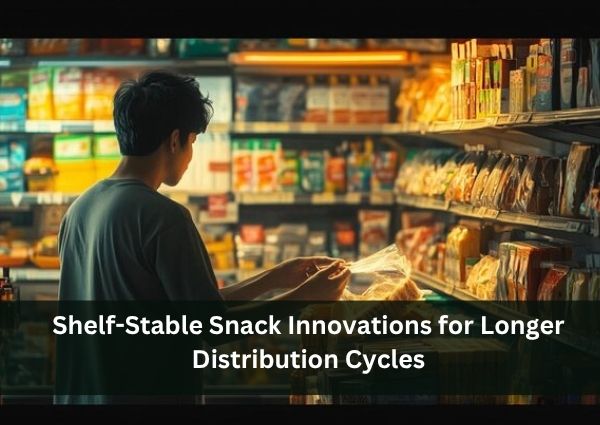
Packaged snacks often travel through warehouses, trucks, distributors, and retail shelves before reaching consumers. Longer distribution routes create challenges because products must retain their flavor, crunch, appearance, and safety throughout storage. For growing brands, extending product stability without compromising the eating experience is an important development priority.
At Anantjeet Nutriments, understanding how ingredients, processing, and packaging interact helps brands plan products for wider distribution. Successful innovation starts with identifying what causes quality changes and addressing those risks systematically.
Understanding Shelf Stability
Shelf stability means a product remains safe and meets its intended quality specifications throughout its declared storage period under defined conditions. For dry snacks, deterioration may involve moisture absorption, rancidity, flavor loss, breakage, or changes in texture.
Different products face different risks. Fried chips can be sensitive to oil oxidation, while porous extruded snacks may quickly lose crispness when exposed to humidity. Manufacturers therefore need category-specific testing rather than assuming every product behaves alike.
Controlling Moisture
One important approach is moisture control. Excess moisture can soften crispy products and create conditions that affect product stability. Manufacturers manage moisture through ingredient selection, controlled cooking, drying, cooling, and protective packaging.
Water activity measurements can provide useful information about how much water is available for chemical reactions or microbial growth. However, acceptable values depend on the product and must be validated.
Consistent monitoring helps manufacturers identify changes before they affect finished batches. These controls also support repeatable texture across separate production runs.
Protecting Flavor and Oil Quality
Fried snacks contain oils that can deteriorate during storage. Exposure to oxygen, heat, and light can accelerate oxidation, producing undesirable flavors and aromas.
Effective oxidation prevention may involve selecting suitable oils, managing frying conditions, limiting oxygen exposure, and choosing appropriate packaging barriers. Some formulations may also use permitted antioxidants when suitable.
Brands should evaluate these decisions together because improvements in one area cannot compensate for uncontrolled processing or poor storage.
Packaging as a Protective System
Packaging is more than a marketing surface. Effective barrier packaging helps restrict oxygen and moisture movement while protecting snacks against contamination and physical damage.
Material selection depends on product sensitivity, expected distribution duration, transport conditions, and packaging equipment. Seal integrity matters because even a suitable film cannot protect products when closures fail.
Brands must also consider packaging regulations, recyclability claims, cost, and the practical requirements of different markets.
Designing for Distribution
Longer delivery routes expose packs to handling, vibration, stacking pressure, and temperature fluctuations. Fragile products may break even when their flavor remains acceptable.
Thoughtful distribution-ready packaging considers pack dimensions, headspace, carton strength, stacking patterns, and transport conditions. Protective measures should be balanced against unnecessary material use and freight costs.
Transport simulations and handling trials can reveal weaknesses before a product reaches distant retailers. Retail feedback provides useful perspective.
Validating Shelf Life
A longer shelf-life claim should come from evidence, not assumptions. shelf-life testing evaluates how products change during storage, including texture, flavor, oxidation indicators, packaging performance, and relevant safety parameters.
Real-time studies under intended conditions are especially valuable. Accelerated studies may help screen formulations or packaging options, but their results require appropriate interpretation and validation.
Testing should reflect realistic distribution conditions and support the period printed on the pack. Records should remain readily available.
Innovation Beyond Ingredients
Innovation can also involve production scheduling, cooling systems, improved seals, and stronger process documentation. Consistent batch records help teams investigate quality changes and compare results over time.
For Anantjeet Nutriments, coordinating product specifications with packaging and quality expectations is an important part of supporting snack brands. Clear communication between development, production, and distribution teams helps prevent avoidable problems.
Balancing Stability with Consumer Appeal
Consumers rarely purchase snacks solely because they last longer. They expect enjoyable taste, fresh aroma, satisfying crunch, and attractive presentation.
Developers should therefore evaluate every stability improvement against the intended sensory experience. A packaging change that protects crispness may be useful, while a formulation adjustment that damages flavor could undermine repeat purchases.
Commercial decisions should consider product quality, costs, regulatory requirements, and environmental impacts together.
Longer distribution cycles demand careful planning across the entire snack production process. Ingredients, moisture, oil quality, packaging, handling, and storage all influence how products perform after leaving the factory.
By combining controlled processing with appropriate materials and validated testing, brands can protect the qualities consumers value. Anantjeet Nutriments recognizes that dependable snack development requires both technical discipline and attention to the eating experience, helping brands prepare for broader markets without treating shelf stability as an afterthought.