For decades, the FMCG world moved like a grand old train—steady, predictable, and heavily dependent on distributors, wholesalers, and large-format retailers. But in the past few years, a new kind of engine has entered the track: Direct-to-Consumer (D2C) startups. Fast, agile, data-driven, and relentlessly customer-obsessed, they’ve reshaped how consumers discover, interact with, and purchase everyday products.
From skincare and household essentials to snacks and beverages, D2C brands have become the new-age catalysts of transformation. As a forward-looking producer and one of the trusted private label FMCG manufacturers in India, Anantjeet Nutriments has witnessed this shift from the front row. The disruption is not only real—it’s rewriting the very economics of FMCG in India.
1. The Old Playbook Is Breaking: Consumers Want Direct Relationships
Traditional FMCG distribution relied on a long chain:
manufacturer → distributor → wholesaler → retailer → consumer
Each layer added costs, reduced transparency, and made brands heavily dependent on intermediaries. But today’s consumer behaves differently. They want:
- Direct access
- Quick deliveries
- Trials before trust
- Personalized product communication
- Honest ingredient stories
D2C brands understood this early. They collapsed the chain, spoke directly to the customer, and created stronger loyalty with less marketing spend. When a consumer clicks “Buy Now” on a D2C website, they don’t just purchase a product—they enter a relationship.
This shift has encouraged many young entrepreneurs to partner with efficient backend producers like us at Anantjeet Nutriments, where manufacturing excellence and brand creativity merge seamlessly.
2. Data Has Become the New FMCG Currency
Traditional FMCG distribution is often slow to collect real-time insights. Retail shelves show sales, not sentiment. Distributors report numbers, not consumer behaviour.
D2C startups, however, treat every click, scroll, complaint, and cart abandon as valuable data. They know:
- What flavors work
- Which packaging converts better
- What customers reorder
- What time people purchase
- How tastes change seasonally
This direct data loop lets brands innovate quickly—something impossible in old distribution systems where feedback took weeks or months.
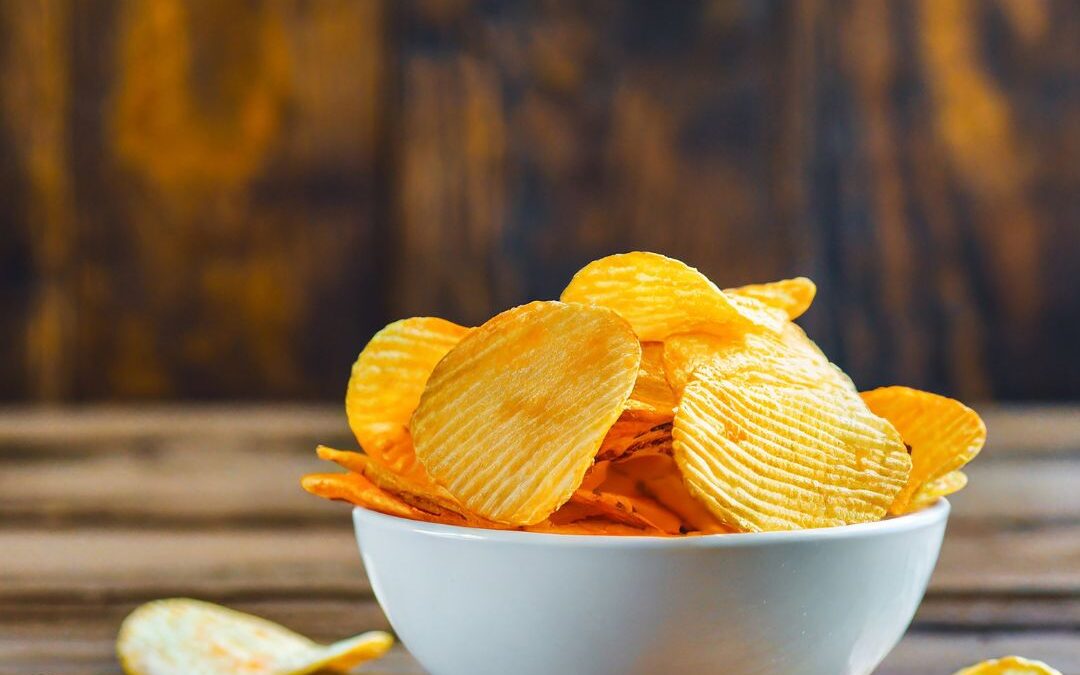
For example, as a potato chips contract manufacturer in India, we’ve collaborated with D2C food startups who test multiple flavours, spice intensities, and packaging creatives in micro-batches. Data decides the winner, not a distributor’s intuition.
3. Faster Innovation and Hyper-Personalisation
Traditional FMCG companies work on long innovation cycles—six months to two years. The focus is scale, stability, and mass appeal.
D2C brands, though, thrive on smaller niches:
- Regional flavours
- Vegan or clean-label formulations
- Glute-free variants
- Millet-based or functional snacks
- Limited-edition collaborations
They can launch a new flavour in 30–45 days because they co-create rapidly with backend manufacturers.
Anantjeet Nutriments has become a preferred partner for many such agile brands because we adapt fast, scale fast, and help them experiment with multiple SKUs simultaneously. Our experience across categories allows young D2C founders to build products without heavy CapEx investment.
4. The Power of Storytelling Over Shelf Space
Before the rise of D2C, the strongest brands were those with the best shelf visibility. Today, the strongest brands are the ones with the best stories.
Consumers buy the narrative before the product:
Why does this brand exist?
What values does it stand for?
What ingredients does it avoid?
What problems is it solving?
D2C founders use social media like a megaphone—educating, engaging, and entertaining. Even a simple snack achieves cult status when backed by authentic storytelling.
This shift has led to a boom in private-label manufacturing support. As one of the trusted private label FMCG manufacturers in India, we help brands bring their stories to life through quality, consistency, and custom formulations.
5. Lower Entry Barriers: Manufacturing Partnerships Fuel Growth
Earlier, launching an FMCG brand required heavy upfront investment in machinery, manpower, and supply chains. D2C founders today simply partner with manufacturers who provide:
- Product development
- Bulk manufacturing
- Packaging support
- Quality compliance
- Logistics integration
This democratization of production has been a huge unlock. Startups launch premium chips, makhana, snacks, beverages, and spices without owning a single factory. They focus on branding and customer experience while we handle the technical backbone.
Our role as a potato chips contract manufacturer in India is helping many food D2C brands rise without operational burdens. This symbiotic model is one of the biggest enablers of India’s D2C revolution.
6. Markets Are No Longer Local—D2C Turns Every Brand Global
Traditional distribution confined FMCG brands to geographies where their distributor network existed. D2C has erased borders.
A startup in Jaipur can ship to:
- Bengaluru
- Dubai
- Singapore
- London
…all within the first year of launch.
Digital storefronts, 3PL logistics, and global marketplaces have opened international ambitions for even small brands.
D2C is not just changing how India buys—it’s changing how India exports.
7. Traditional FMCG Giants Are Adopting the D2C Mindset
The disruption is so significant that large conglomerates have started acquiring or launching their own D2C sub-brands. They’re learning from the agility of startups.
This fusion of old strength and new speed is shaping the future Indian FMCG ecosystem—a hybrid where distribution and digital coexist.
Conclusion: The D2C Wave Is Not Temporary—It’s Transformative
The FMCG industry is undergoing a silent but powerful revolution. D2C startups have rewritten the rulebook with agility, data, storytelling, and customer obsession. And behind many of these success stories are manufacturing partners like Anantjeet Nutriments, empowering brands with scalability, quality, and speed.
As private label FMCG manufacturers in India and a leading potato chips contract manufacturer in India, we believe that the next decade belongs to D2C-first brands—bold, digital, and unstoppable.