
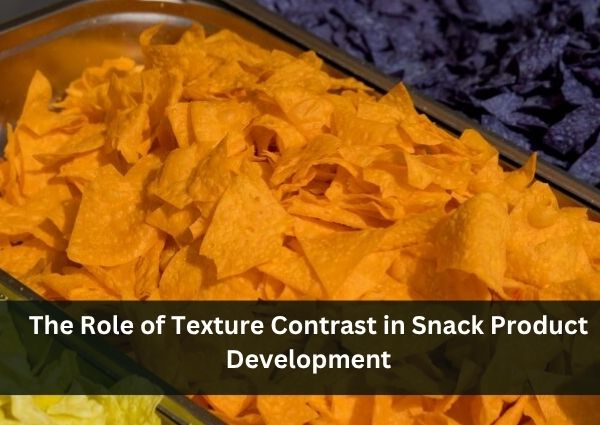
Snack enjoyment involves more than flavor. The way a product cracks, crumbles, melts, or resists a bite can shape how consumers remember it. When different sensations appear together, an ordinary snack can become more interesting. This makes texture an important consideration for brands developing chips, pellets, namkeen, and other packaged products.
For Anantjeet Nutriments, understanding these sensory differences helps connect creative product ideas with practical manufacturing decisions. Successful development requires textures that are appealing, repeatable, and appropriate for the intended consumer.
What Texture Contrast Means
Texture contrast describes the combination or sequence of different physical sensations during eating. A snack might have a firm outer surface and a lighter interior, or crunchy pieces mixed with softer components. Even a single chip can create contrast between its initial snap and the way it breaks down during chewing.
These differences make eating more engaging and can distinguish products even when their flavor profiles are similar. However, contrast should feel intentional rather than uneven or defective. The aim is to create a recognizable experience consumers want to repeat.
Why Crunch Alone Is Not Enough
Crunch is a familiar selling point, but its character varies. Thin potato chips can deliver a quick, delicate snap. Thicker chips may produce a stronger bite. Expanded snacks can feel airy before collapsing into smaller fragments.
Developers evaluate how these sensations complement seasoning and overall product identity. An intensely seasoned snack may benefit from a light structure, while a hearty savory mixture might need firmer pieces to provide variety.
Building Contrast Through Ingredients
Different ingredients behave differently during cooking. Potato slices, cereal flours, pulses, and starch blends can produce distinct structures depending on their composition and processing conditions.
Careful ingredient formulation helps teams choose combinations that achieve a desired bite without sacrificing stability. Moisture content, particle size, binding behavior, and expansion characteristics can all influence results.
Small formulation changes should be tested rather than assumed to improve the final snack. A pleasing sample must also remain practical for repeated commercial production.
How Processing Changes the Experience
Temperature, cooking duration, pressure, shaping, and drying affect how a snack feels. In expanded products, processing conditions can influence air pockets and density. In sliced products, thickness and frying conditions can change crispness.
Effective crunch optimization involves balancing these variables instead of maximizing hardness. Excessive firmness may make a snack difficult to enjoy, while insufficient structure can leave it fragile or disappointing.
Manufacturers also consider breakage during handling, filling, transportation, and retail storage. This matters especially for products intended for long distribution routes.
Testing the Consumer Experience
A product can meet technical specifications and still feel unsatisfying. Sensory panels help developers understand the difference between measurable characteristics and actual enjoyment.
During sensory texture testing, participants may compare the first bite, chewing resistance, crispness, mouthfeel, and lingering sensation. Their feedback can reveal whether contrasting textures feel balanced or distracting.
Brands should test products with people who resemble their intended buyers. Preferences may differ by age, eating occasion, and familiar snack formats.
Texture Across Snack Categories
Contrast can appear in several ways. A namkeen mixture may combine crisp sev with roasted ingredients. A shaped pellet snack may feature a rigid surface and airy center. Ridged chips can create a different bite from smooth slices.
These examples show why snack structure design matters. Shape, thickness, internal density, and surface features influence both texture and seasoning distribution.
At Anantjeet Nutriments, considering these relationships can help brands evaluate which concepts suit their products and manufacturing requirements.
Protecting Texture After Production
Even a well-developed snack can lose its appeal if moisture enters the package or pieces break during distribution. Cooling, packaging barriers, seal integrity, and storage conditions therefore matter.
Reliable product quality consistency depends on controlling these stages alongside the recipe and cooking process. Brands should assess texture throughout the expected shelf life, not only immediately after production.
Packaging trials and handling checks can identify problems before products reach consumers. Consistent presentation supports repeat purchases and protects the overall branded product experience over time.
Texture contrast helps packaged snacks stand out by adding variety to every bite. It connects ingredient selection, product shape, processing conditions, consumer testing, and packaging performance.
For Anantjeet Nutriments, the goal is to support snack concepts that combine enjoyable sensations with dependable production. By focusing on deliberate texture choices and careful testing, brands can create distinctive products while maintaining the consistency consumers expect from every pack.