
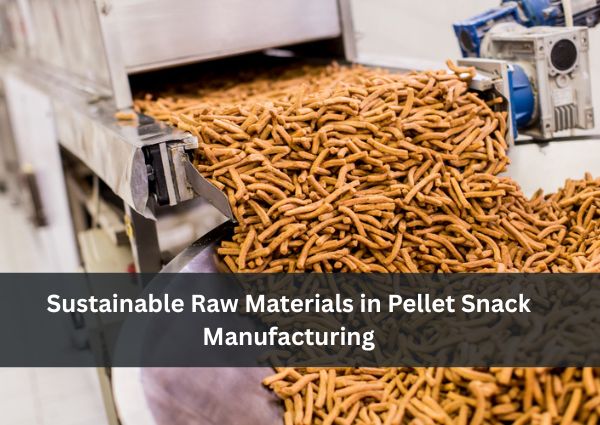
The snack industry is undergoing a major transformation as consumers, brands, and manufacturers focus more on sustainability and responsible food production. Today, snack buyers are not only looking for great taste and attractive packaging—they are also becoming more aware of where ingredients come from and how products are made.
In the pellet snack category, sustainable raw materials are becoming an important factor in developing innovative, responsible, and future-ready products. AtAnantjeet Nutriments, we understand the importance of combining quality manufacturing with sustainable practices to create snacks that meet modern consumer expectations.
Understanding Pellet Snacks and Their Growing Demand
Pellet snacks are semi-finished snack products made using ingredients such as starches, grains, and other plant-based materials. These pellets are later expanded through frying, baking, or other processing methods to create crispy, flavorful snacks.
Their popularity comes from several advantages:
- Wide variety of shapes and textures
- Long shelf stability
- Easy flavor customization
- High consumer appeal
As demand for convenient snacks continues to rise, manufacturers are exploring better ways to produce pellet snacks while reducing environmental impact.
The Importance of Sustainable Raw Materials
Raw materials are the foundation of any food product. Choosing sustainable ingredients helps manufacturers improve product responsibility while supporting environmental and agricultural sustainability.
Sustainable raw materials focus on:
- Responsible farming practices
- Efficient resource usage
- Reduced environmental impact
- Supporting local agricultural systems
For snack manufacturers, selecting the right ingredients is not only about quality—it is also about creating products that align with changing consumer values.
Plant-Based Ingredients Driving Innovation
Most pellet snacks are naturally suited for sustainable ingredient innovation because they are made from plant-based sources.
Common sustainable raw materials include:
Corn and Cereal-Based Ingredients
Corn-based ingredients are widely used in snack manufacturing due to their availability, versatility, and ability to create excellent textures.
Potato-Based Ingredients
Potatoes remain one of the most popular raw materials for snack production. Responsible sourcing and efficient farming methods help improve sustainability.
Millet and Alternative Grains
Millets are gaining popularity because they require fewer resources to grow and provide nutritional benefits. They are becoming an attractive option for healthier pellet snack formulations.
Legume-Based Ingredients
Pulses and legumes offer plant-based protein and support the development of functional snack products.
At Anantjeet Nutriments, we explore ingredient possibilities that support innovation while maintaining taste and quality standards.
Supporting Local Agriculture
One important aspect of sustainable raw material sourcing is strengthening local supply chains. Working with regional farmers and suppliers can provide several benefits:
- Reduced transportation impact
- Better traceability
- Support for agricultural communities
- Fresher ingredient availability
A strong local sourcing network helps manufacturers maintain consistency while contributing to a more sustainable food ecosystem.
Clean Label and Consumer Expectations
Modern consumers increasingly prefer products with simple, recognizable ingredients. This has increased demand for clean-label snacks made using transparent formulations.
Consumers are interested in:
- Natural ingredients
- Fewer unnecessary additives
- Clear product information
- Responsible sourcing practices
Sustainable raw materials help brands create products that connect better with health-conscious and environmentally aware customers.
Reducing Environmental Impact in Snack Production
Sustainable ingredient selection is one part of creating responsible snack products. Manufacturers are also focusing on improving overall production efficiency.
Key areas include:
- Reducing raw material waste
- Improving energy efficiency
- Optimizing production processes
- Minimizing packaging impact
At Anantjeet Nutriments, we believe sustainability should be integrated throughout the manufacturing journey, from ingredient selection to final product delivery.
Supporting Health-Oriented Snack Trends
Sustainable raw materials often align with growing health trends. Ingredients such as millets, whole grains, and plant-based components allow brands to create snacks with additional nutritional value.
Modern consumers are looking for:
- Better ingredient quality
- More balanced nutrition
- Functional food benefits
This has encouraged snack manufacturers to move beyond traditional formulations and develop products that support healthier lifestyles.
Innovation in Pellet Snack Formulations
The flexibility of pellet snacks makes them ideal for experimentation with sustainable ingredients. Manufacturers can develop new products by combining different raw materials to achieve unique textures and flavors.
Innovation opportunities include:
- Multi-grain pellet snacks
- Protein-enriched pellets
- Millet-based snacks
- Vegetable-based snack formats
These innovations allow brands to differentiate themselves in an increasingly competitive market.
Challenges in Sustainable Raw Material Adoption
While sustainable ingredients offer many advantages, manufacturers also face certain challenges.
These include:
- Maintaining consistent quality
- Managing ingredient costs
- Ensuring reliable supply
- Achieving desired texture and taste
Successful manufacturers need strong research, supplier relationships, and advanced processing expertise to overcome these challenges.
The Future of Sustainable Pellet Snacks
The future of pellet snack manufacturing will be shaped by sustainability, innovation, and consumer awareness. As demand for responsible food products grows, manufacturers will continue exploring better ingredient solutions.
Future trends may include:
- More plant-based formulations
- Greater use of regional grains
- Sustainable farming partnerships
- Improved processing technologies
- Environment-friendly packaging solutions
Brands that embrace sustainability early will have stronger opportunities to build consumer trust and long-term market presence.
Conclusion
Sustainable raw materials are becoming a key element in the future of pellet snack manufacturing. By focusing on responsible sourcing, innovative ingredients, and efficient production methods, snack manufacturers can create products that satisfy both consumers and environmental goals.
At Anantjeet Nutriments, we are committed to supporting snack brands with quality-focused manufacturing solutions that combine innovation, consistency, and evolving market trends.
As the snack industry continues to grow, sustainability will no longer be just an option—it will become an essential part of creating successful, future-ready snack products.