
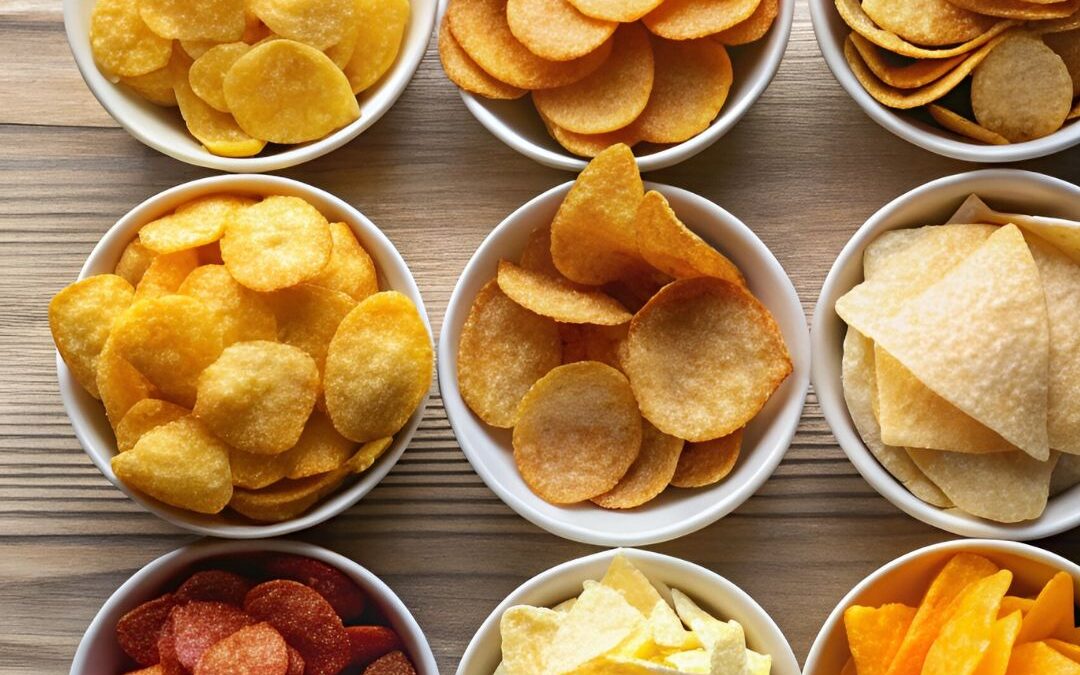
For generations, Indian snacks have carried a certain quiet magic—an alchemy of spice, crunch, aroma, and nostalgia that crosses borders without losing its soul. Today, this magic is no longer limited to Indian homes; it is displayed proudly on global snack shelves, from Dubai supermarkets to U.S. ethnic aisles and European gourmet stores. The demand continues to rise, and the question naturally follows: Why do Indian savories remain evergreen in world markets?
As a leading namkeen manufacturer in India, Anantjeet Nutriments has seen this surge closely, and the reasons run deeper than flavor alone.
1. Timeless Flavors Built on Centuries of Culinary Heritage
Indian savory snacks aren’t random mixtures of ingredients; they are edible heirlooms. Whether it’s bhujia from Rajasthan, chivda from Maharashtra, banana chips from Kerala, or spicy mixtures from North India, each variety carries a regional story. These traditions are rooted in centuries of experimentation with spices, pulses, grains, and oils.
Global consumers today crave authenticity more than ever. They want foods that feel real, culturally grounded, and crafted with intention. Indian namkeens deliver exactly that—snacks shaped by history and kept alive by modern manufacturing excellence.
As an indian savoury snacks manufacturer India, Anantjeet Nutriments preserves this cultural integrity while meeting international quality expectations.
2. A Spectrum of Textures and Flavors That No Other Cuisine Matches
One of the biggest reasons Indian snacks win abroad is the sheer spectrum they offer. Most global snack categories revolve around three or four basic flavor profiles—salty, cheesy, tangy, and mildly spicy.
Indian savory snacks, however, are a galaxy:
- Crisp, airy sev
- Richly spiced boondi
- Crunchy chivda with peanuts and curry leaves
- Lentil-based mixtures bursting with umami
- Extruded snacks layered with regional masalas
- Classic potato-based delights with a Desi twist
You don’t just “eat” these snacks—you explore them.
This wide sensory palette makes Indian savories naturally suited to multicultural markets. They cater to diaspora communities, adventurous foodies, and the growing global appetite for bold, complex flavors.
3. The Health-Conscious Consumer Loves Indian Savories… When Done Right
A surprising trend shaping global demand is the shift toward healthier snacking. Consumers want crunch without guilt. Indian namkeens, especially when produced using modern processes, offer several advantages:
- They can be baked or roasted
- Made from lentils, chickpeas, peanuts, rice flakes, and millets
- Packed with plant protein and clean ingredients
- Easily adaptable to low-oil, low-salt variants
At Anantjeet Nutriments, we ensure our savory products align with global nutrition expectations while retaining the signature Indian taste that customers adore.
This ability to balance tradition with modern dietary needs keeps the category evergreen.
4. The Rise of Private Labels and the Role of Indian Manufacturers
Supermarkets around the world are aggressively expanding private-label snack categories. These brands look for reliable, high-volume partners who can deliver consistent taste at competitive rates.
India—home to centuries of snack-making mastery—naturally becomes a manufacturing hub.
As a trusted namkeen manufacturer in India, Anantjeet Nutriments collaborates with international brands to bring high-quality Indian savory products to their shelves. Our strong supply capabilities, skilled workforce, and deep understanding of spice technology make us an ideal partner for private label needs.
This growing private-label movement has amplified the global presence of Indian savory snacks dramatically.
5. Indian Savories Adapt Beautifully to Local Preferences
One of the most underrated strengths of Indian snacks is their adaptability. The base formats are wonderfully versatile:
- Sev can be mild or extra hot
- Mixtures can be sweet-and-spicy, tangy, or purely salty
- Bhujia can be flavoured with herbs, cheese, peri-peri, or garlic
- Potato-based snacks can be crafted with fusion seasonings
This flexibility helps global brands customize Indian snacks for local consumers without losing authenticity.
Anantjeet Nutriments uses this adaptability to co-create variants that resonate strongly in foreign markets—whether it’s a light, subtly spiced version for Europe or a fiery masala blend for Southeast Asia. Global palates evolve quickly, and Indian savory snacks evolve right along with them.
6. Emotional Connection: Comfort Food for Millions Abroad
For Indian diaspora communities, namkeens are more than snacks—they are emotional anchors. Opening a packet of mixture or bhujia takes them home instantly. This emotional value ensures steady, long-term demand, regardless of seasonal or economic shifts.
But now, Indian savories have also moved beyond nostalgia. Non-Indian consumers increasingly treat them as unique, gourmet, global snacks worth exploring. This dual-audience appeal makes them a stable, evergreen category in international retail.
7. Manufacturing Technology Is Better Than Ever
What makes the global rise of Indian snacks possible is India’s rapid advancement in food processing automation. Modern facilities like ours ensure:
- International food safety standards
- Consistent quality
- Large-scale production capacity
- Efficient packaging suitable for long-distance export
With this technological backbone, Indian manufacturers are more capable than ever of supplying large retailers and distributors abroad.
Conclusion: A Snack Legacy That Will Only Grow Stronger
Indian savory snacks continue to shine worldwide because they embody something rare—tradition that welcomes innovation. They are bold yet comforting, diverse yet consistent, local yet globally beloved. As consumer curiosity grows and international markets seek authentic, high-quality food products, Indian savories are positioned to stay evergreen for decades to come.
At Anantjeet Nutriments, we proudly carry this legacy forward as a leading indian savoury snacks manufacturer India, delivering timeless flavors shaped by culture, science, and craftsmanship.