
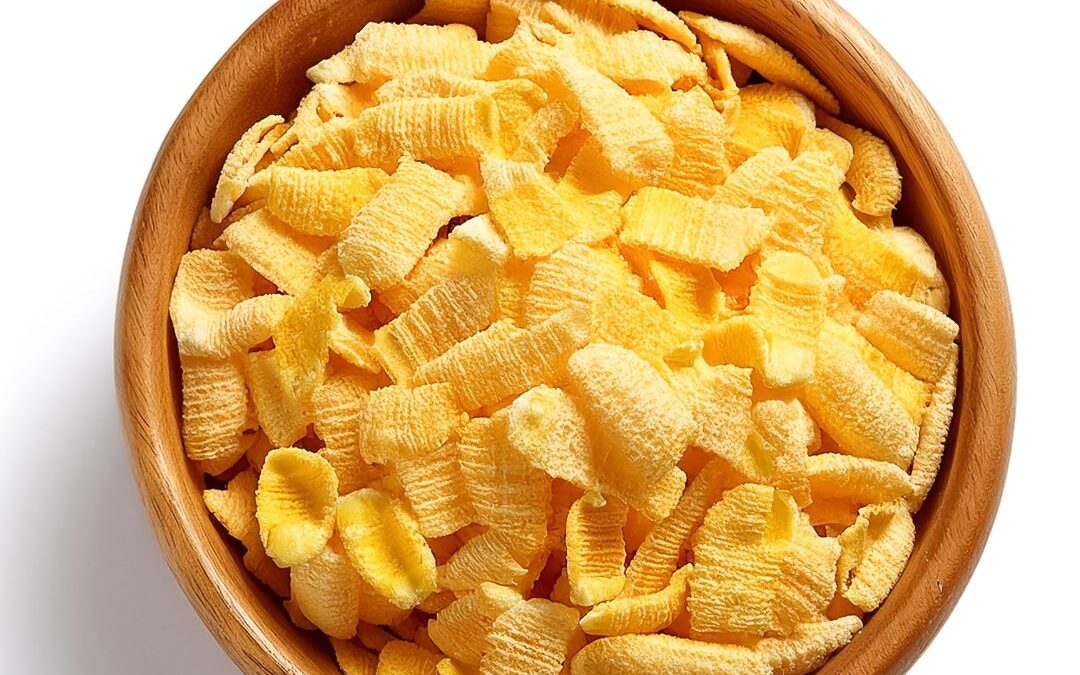
Retailers Launching In-House Food Brands: A Global Movement
In recent years, the food and retail industries have witnessed a dramatic shift as more retailers move beyond traditional distribution roles to launch in-house food brands. What once was the domain of large FMCG players has now become an open field where retailers are creating their own lines of packaged snacks, beverages, and ready-to-eat products. This global movement is reshaping consumer preferences, building brand loyalty, and opening new avenues for profitability.
Why Retailers Are Turning to Private Label Food Brands
Retailers launching in-house food brands is not just a trend but a strategic response to evolving consumer behavior. Shoppers today are looking for affordability, quality, and trust—all of which can be delivered through private labels. By offering their own brands, retailers cut out middlemen, reduce dependency on big suppliers, and pass cost savings directly to consumers. Additionally, the rise of health-conscious eating has given retailers an opportunity to innovate with niche categories such as organic, vegan, or low-calorie snacks, creating value-driven alternatives that appeal to modern consumers.
Benefits for Consumers and Retailers
The global rise of in-house food brands brings significant benefits for both retailers and end consumers. For retailers, private labels offer higher profit margins, stronger customer loyalty, and greater control over product design and pricing. It also allows them to differentiate themselves in competitive markets by offering exclusive products that cannot be found elsewhere. For consumers, in-house brands provide access to high-quality products at affordable prices, often comparable to or even better than established FMCG labels. This win-win situation has fueled the rapid adoption of private labels across grocery chains, supermarkets, and even e-commerce platforms worldwide.
The Future of Retailer-Owned Food Brands
The future of retailer-owned food brands looks extremely promising. With advancements in food technology, packaging, and global supply chains, retailers can innovate faster and respond more effectively to consumer demands. Collaborations with third-party manufacturers and contract food producers further expand their capabilities, allowing them to deliver diverse and scalable product portfolios. As sustainability and transparency become priorities, retailers are also focusing on eco-friendly packaging and clean-label products to strengthen consumer trust. This global movement is set to redefine the food industry, positioning retailers not just as distributors but as full-fledged food brand creators.